Piedmont in winter
What is open between January and March, when the hill villages close.
Written by the I Love Piedmont editors in Mongardino (AT).
Last updated:
Piedmont's low season is real. Restaurants close for two or three weeks, agriturismi shut entirely, and a village that was full in October will have one bar open in February. That is also its appeal, if you know where to point yourself.
The cities keep going. Turin has the richest winter programme in the region: the Egyptian Museum and the Mole, a serious exhibition calendar, the Luci d'Artista light installations through January, and a cafe culture that was built for cold weather. Asti, Alessandria, Novara and Cuneo all keep their markets and their theatres running.
Carnival. The single reason to come to Piedmont in February is Ivrea, where the Battle of the Oranges fills the streets on the Sunday, Monday and Tuesday before Lent. It is loud, genuinely physical, and unforgettable. Wear old clothes, and a red cap if you do not want to be a target. Smaller carnivals run in Santhia, Borgosesia and dozens of villages.
Food season. Winter is when the great Piedmontese dishes are actually eaten. Bagna cauda evenings run from November through February, usually as a fixed-price communal dinner. Bollito misto, brasato al Barolo and finanziera belong to the same months. Several villages hold bagna cauda sagre in January, which is as local as this region gets.
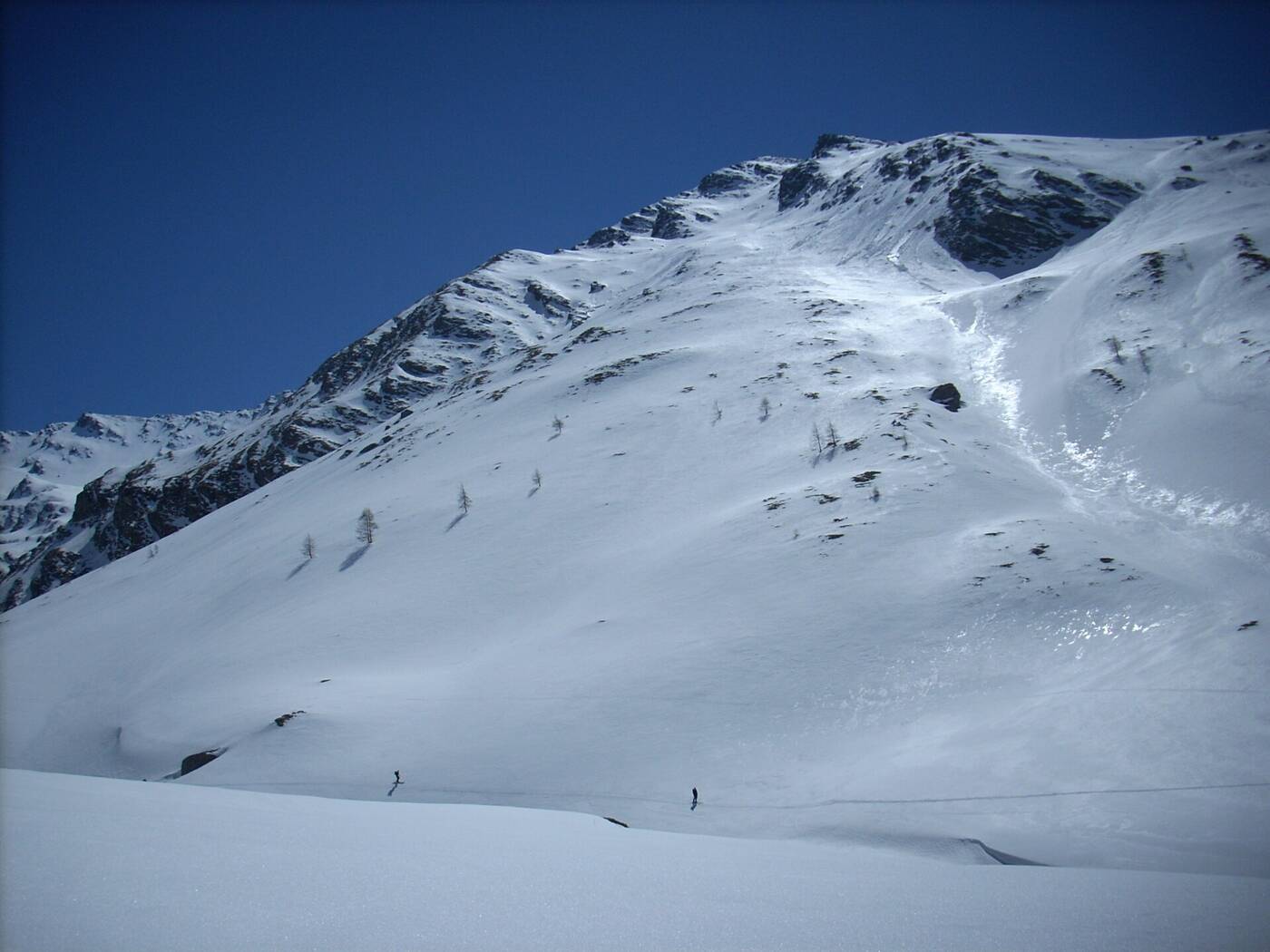
Snow. The ski areas are in the west and south: the valleys above Turin, Limone Piemonte and the Maritime Alps above Cuneo, and the Ossola and Monte Rosa slopes in the north. All are reachable from Turin, and Limone has a station.
Thermal water. Acqui Terme runs all year and is at its best when it is cold.
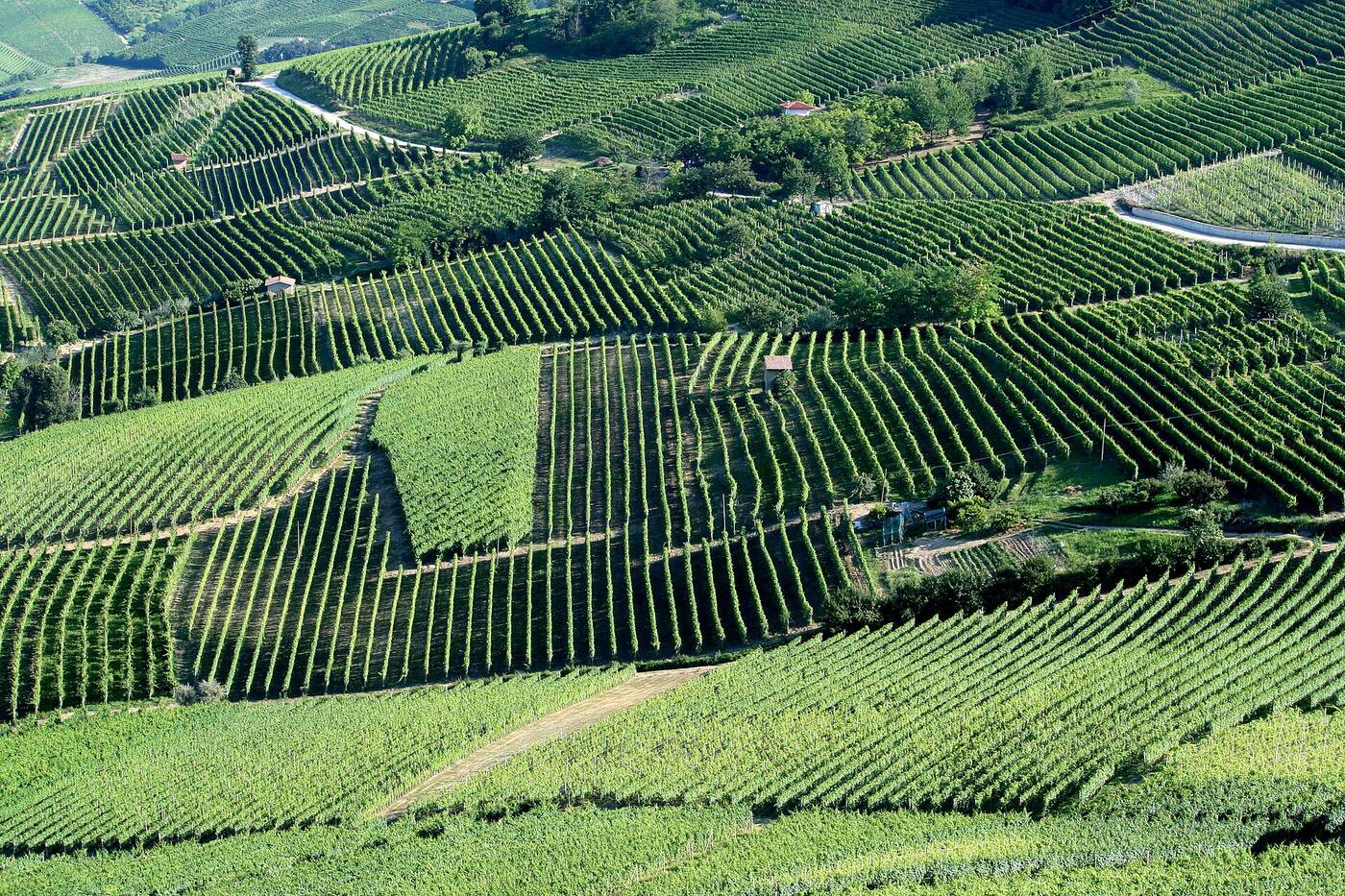
What to expect in the hills. Fog, quite a lot of it, sitting in the valleys with clear sun on the ridges above. Short days. Empty roads. Cellar visits are possible and often more relaxed than in autumn, because the producer has time. Check opening before you drive anywhere, and assume Monday is closed.